
Best Ecommerce Platform for Small Business in 2025
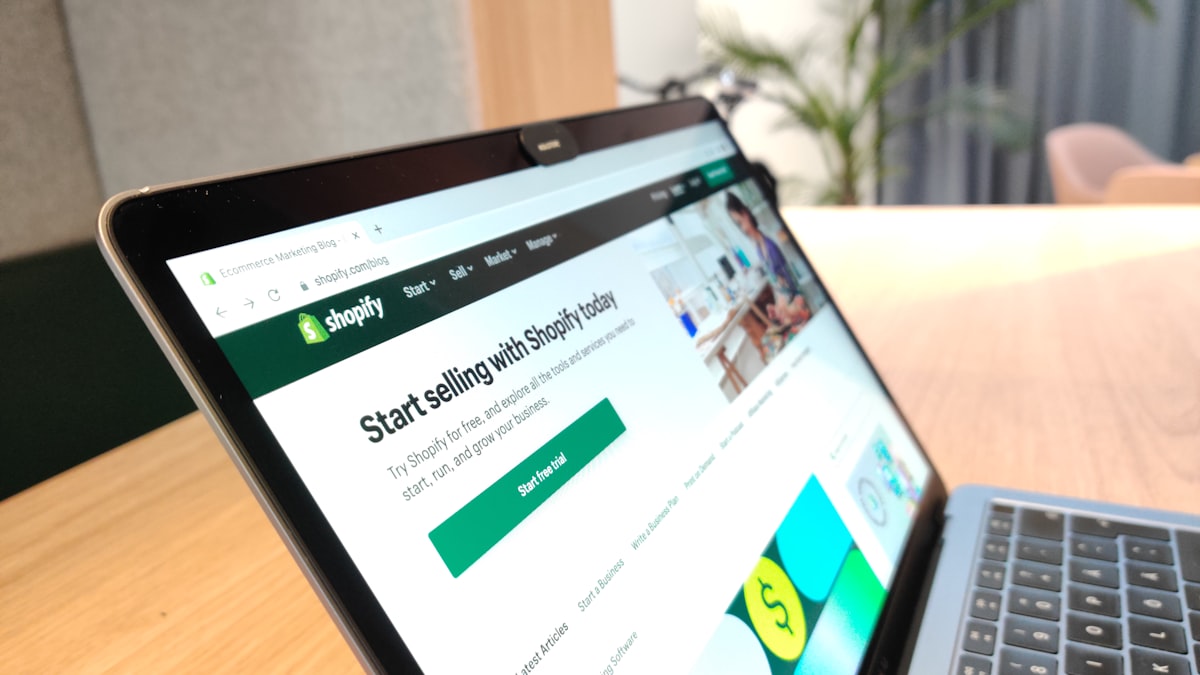
Choosing an ecommerce platform is one of the most important decisions you'll make for your online business. The wrong choice can mean months of frustration, expensive migrations, and lost sales. The right choice lets you focus on what matters: selling your products.
After helping dozens of small businesses launch online stores, here's what actually matters when picking a platform.
Quick Comparison
| Platform | Best For | Monthly Cost | Ease of Use |
|---|---|---|---|
| Shopify | Most small businesses | $39-399 | Very Easy |
| WooCommerce | WordPress users who want control | $0 + hosting | Moderate |
| Squarespace | Design-focused, low inventory | $33-65 | Easy |
| BigCommerce | High-volume sellers | $39-399 | Moderate |
Our Top Pick: Shopify
For most small businesses, Shopify is the clear winner. Here's why:
It just works. You don't need to worry about hosting, security updates, or plugin conflicts. Shopify handles all of that. You focus on your products and customers.
The app ecosystem is unmatched. Need email marketing? There's an app. Subscription boxes? There's an app. Print-on-demand? Multiple apps. Whatever you need, someone has built it for Shopify.
Payment processing is built-in. Shopify Payments means no third-party payment gateway headaches. One dashboard for everything.
Shopify Starter Plan
If you're just testing the waters, Shopify's Starter plan at $5/month lets you sell via social media and messaging apps without a full storefront.
Shopify Pricing Breakdown
- Basic ($39/mo): Everything you need to start
- Shopify ($105/mo): Better rates, more staff accounts
- Advanced ($399/mo): Advanced reporting, lowest transaction fees
Watch the Transaction Fees
If you don't use Shopify Payments, you'll pay an extra 0.5-2% per transaction on top of your payment processor's fees. This adds up fast.
Who Shouldn't Use Shopify
Shopify isn't perfect for everyone. Skip it if:
- You need heavy content alongside your store (blog-first businesses)
- You want complete control over your code and hosting
- You're on a very tight budget and can self-manage WordPress
WooCommerce: The DIY Option
WooCommerce is a free WordPress plugin that turns any WordPress site into an online store. It's powerful but comes with tradeoffs.
The Good:
- Free core software
- Complete control over everything
- Massive plugin ecosystem
- Own your data completely
The Challenging:
- You manage hosting, security, and updates
- Plugin conflicts can break your store
- Performance optimization is on you
- Steeper learning curve
WooCommerce True Costs
While WooCommerce itself is free, budget $200-500/year minimum for hosting, security plugins, and essential extensions like payment gateways.
Best for: WordPress power users, developers, or businesses with technical resources on staff.
Squarespace: Beautiful but Limited
Squarespace makes gorgeous websites. Their templates are designer-quality out of the box, and their editor is intuitive.
The Good:
- Stunning templates
- All-in-one pricing (hosting included)
- Great for small product catalogs
- Built-in email marketing
The Limiting:
- Limited payment options
- Fewer apps and integrations
- Not built for high-volume stores
- Less flexibility for custom functionality
Best for: Artists, photographers, boutiques with under 50 products, and anyone who prioritizes aesthetics over advanced features.
BigCommerce: The Enterprise Alternative
BigCommerce is Shopify's main competitor in the hosted platform space. It's powerful but often overkill for small businesses.
The Good:
- No transaction fees on any plan
- More built-in features than Shopify
- Strong B2B capabilities
- Multi-channel selling included
The Challenging:
- Steeper learning curve
- Annual sales thresholds force upgrades
- Smaller app ecosystem
- Less community support
Best for: Established businesses doing $100K+ in annual revenue who want to avoid transaction fees.
How to Choose
Stop overthinking this. Answer these three questions:
3-Question Decision Framework
- Do you want to manage tech stuff? No → Shopify. Yes → Consider WooCommerce.
- Do you have under 30 products and prioritize design? Yes → Squarespace is fine.
- Are you doing $100K+ annually? Yes → Compare BigCommerce's fee savings vs Shopify's ecosystem.
The Real Answer
For 80% of small businesses starting an online store, Shopify is the right choice. It's not the cheapest, and it's not the most flexible. But it's the one that will cause you the least headaches while you're trying to grow your business.
You can always migrate later. But most Shopify stores never need to.
Ready to Launch?
Starting your store doesn't have to be complicated. Pick Shopify, choose a clean theme, add your products, and start selling. You can optimize everything else later.
The best platform is the one that lets you focus on your products and customers instead of fighting with technology. For most small businesses, that's Shopify.